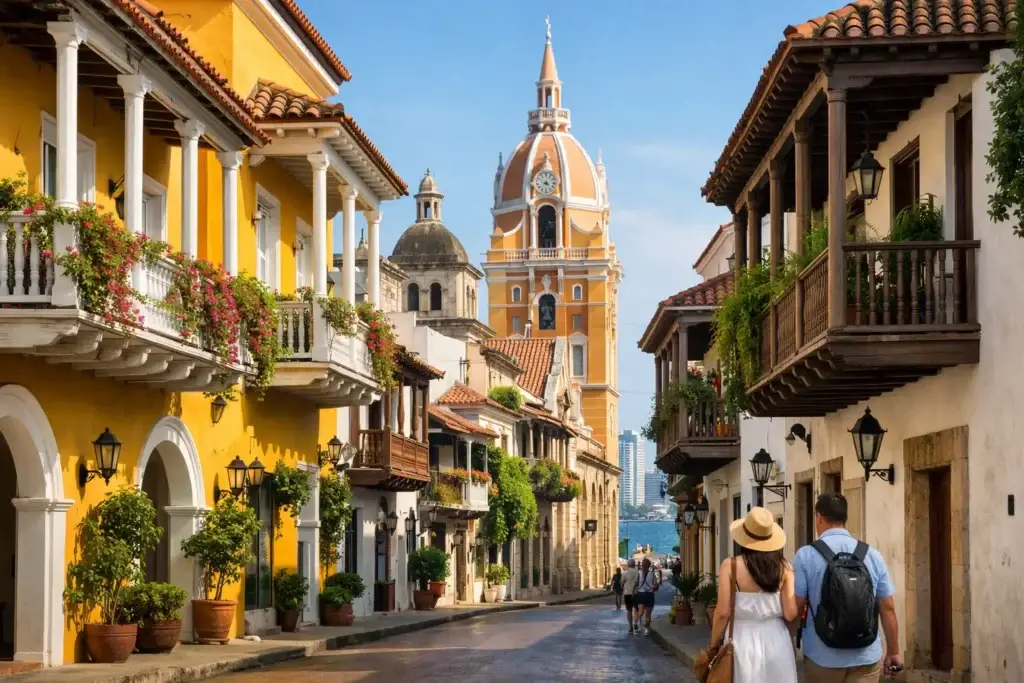
At golden hour, Cartagena’s Old Town changes character. The heat softens, horse-drawn carriages clip along the cobblestones, balconies spill over with bougainvillea, and every plaza seems to have a new soundtrack. This Cartagena old town guide helps you enjoy that magic without spending your day circling the same blocks, falling into tourist traps, or missing the stories behind the city’s famous walls.
The walled center is compact enough to explore on foot, but it rewards a little strategy. Come with curiosity, wear comfortable shoes, and leave room in your schedule for the unexpected: a street musician in Plaza de los Coches, a quiet chapel behind a busy avenue, or a cold fruit drink when the Caribbean sun is at its strongest.
Start with the lay of the land
Cartagena’s historic center is usually divided into three connected neighborhoods: Centro, San Diego, and Getsemaní. When travelers say “Old Town,” they often mean the walled areas of Centro and San Diego. Getsemaní sits just outside the main walls and has its own creative, energetic personality, making it an excellent addition once you have explored the core.
Centro is the grand, polished heart of the city. This is where you will find major plazas, landmark churches, museums, colonial mansions, rooftop bars, and many of Cartagena’s best-known restaurants. San Diego feels more residential and relaxed, with colorful facades, boutique hotels, small cafés, and pretty streets that invite slower wandering.
Do not try to cover every street in an hour. The Old Town is not a checklist. Its best moments happen when you pause long enough to notice the carved doors, fading paint, shaded courtyards, and everyday life happening between the headline sights.
The Cartagena Old Town guide to key plazas
Plazas are the city’s natural meeting points. They are also the easiest way to orient yourself when the maze of narrow streets begins to blur together.
Plaza de los Coches
Near the Clock Tower entrance, Plaza de los Coches is where many first-time visitors get their first burst of Cartagena energy. It can be busy, especially when cruise passengers are in town, but it is worth seeing for its arcades and historic setting. Walk beneath the arches toward Portal de los Dulces, where traditional sweets are displayed in small storefronts.
This is a good place to begin, not necessarily a place to linger all afternoon. Arrive early for a calmer first look, then head deeper into the walled city before the crowds build.
Plaza Santo Domingo
Plaza Santo Domingo is one of the most social corners of Centro. Its broad outdoor seating, colonial church, and lively evening atmosphere make it an easy stop for a drink or a late dinner. You will also spot the famous rounded sculpture by Fernando Botero outside the church.
The trade-off is price. Restaurants directly on major plazas often charge for the view and location. For a special meal, that can be worth it. For a casual lunch, wander two or three blocks away and compare menus first.
Plaza de Bolívar
Shaded by palms and mature trees, Plaza de Bolívar offers a quieter break from the sun. It is surrounded by handsome historic buildings and sits near several cultural attractions. This is the kind of plaza where you can slow down with a coffee, people-watch, and imagine the political dramas that once played out in the colonial city.
Plaza de San Diego
In the San Diego neighborhood, Plaza de San Diego has a softer, more neighborhood-oriented feel. It is a lovely evening stop after exploring the nearby streets, especially if you want a relaxed dinner without the intensity of the busiest plazas. Families, couples, and small groups often appreciate this corner of the Old Town for its calmer pace.
Walk the walls when the timing is right
The city walls are more than a photo backdrop. They were built over centuries to protect Cartagena from pirate attacks and foreign invasions, and walking them gives you the clearest sense of why this port was so strategically important.
Morning is best if you want cooler temperatures and fewer people. Sunset is best for atmosphere, ocean views, and that unmistakable Caribbean glow. Expect the sunset sections to be popular, especially near the larger wall-top bars. If you prefer a quieter experience, choose a less crowded stretch and keep walking instead of stopping at the first viewpoint.
Bring water, sunglasses, and sun protection. There is little shade on the walls, and Cartagena’s heat can feel intense even when the sky looks hazy. During the rainy season, a sudden shower is possible, so a small umbrella or light rain layer can be useful.
What to eat between historic stops
Cartagena’s Old Town is one of the easiest places in Colombia to eat well, but the experience depends on what you are looking for. You can plan a polished reservation, grab something quick from a casual counter, or build an afternoon around local snacks.
Look for arepas with cheese or egg, empanadas, patacones, fresh ceviche, coconut rice, fried fish, and tropical fruit juices. Palenqueras in bright dresses are part of the city’s visual identity, and while photos may be available, always ask first and agree on a price before taking one.
For travelers who want more context than a menu can provide, a local food experience is a smart choice. You will learn why coconut, plantain, corn, seafood, and African-Caribbean traditions matter so much to the region’s cooking. It also helps you move beyond the most obvious tourist-facing dishes.
Shop with intention, not pressure
You will encounter vendors selling hats, jewelry, artwork, souvenirs, and cold drinks throughout the historic center. Many are friendly and hardworking, but a polite, clear “No, thank you” is enough when you are not interested. Avoid opening a negotiation unless you genuinely want to buy.
For emeralds, jewelry, and higher-value purchases, choose established stores, ask for documentation, and do not feel rushed by a sales pitch. Cartagena is known for emeralds, but the best purchase is one you understand and truly want, not one made because a salesperson created urgency.
Street art, handmade bags, and local design pieces can make meaningful souvenirs. Take a lap before buying if you have time. Similar items may appear in several shops, and prices can vary widely.
Safety and comfort in the Old Town
Cartagena’s historic center is one of the city’s most visitor-friendly areas, particularly during the day and early evening. Still, use the same awareness you would in any busy destination. Keep your phone and wallet secure, avoid displaying large amounts of cash, and use licensed transportation or prearranged rides when traveling outside the walkable core.
At night, stick to active streets and avoid wandering alone into unfamiliar areas after the crowds thin out. The Old Town is ideal for walking, but high heels and uneven cobblestones are not a great match. Comfortable sandals or sneakers will make the day far more enjoyable.
Humidity is another consideration. Schedule your most active sightseeing for the morning, take a long lunch or hotel break during the hottest hours, then return for sunset and dinner. This rhythm is especially helpful for couples, families, and anyone arriving from a cooler climate.
A simple one-day rhythm that works
Begin near the Clock Tower while the streets are still relatively calm. Explore Plaza de los Coches, Plaza de Bolívar, and the surrounding historic lanes, then make time for a museum, church, or guided heritage walk that gives the architecture real meaning.
After lunch, retreat from the midday heat. Return in the late afternoon for San Diego’s colorful streets and a wall walk at sunset. End with dinner in Centro or San Diego, or cross into Getsemaní if you want murals, music, and a more casual nightlife scene.
A private city experience can be especially worthwhile if you have limited time, are traveling with a group, or want a guide to tailor the route around food, architecture, photography, and local stories. Cartagena Adventures can help shape that kind of day around your pace rather than forcing you into a crowded, one-size-fits-all itinerary.
The best way to leave Cartagena’s Old Town with more than photos is to give it time. Choose a few landmarks, then let the city interrupt your plan with a shaded plaza, a conversation, a song drifting through an open doorway, or one more turn down a street you had not meant to take.