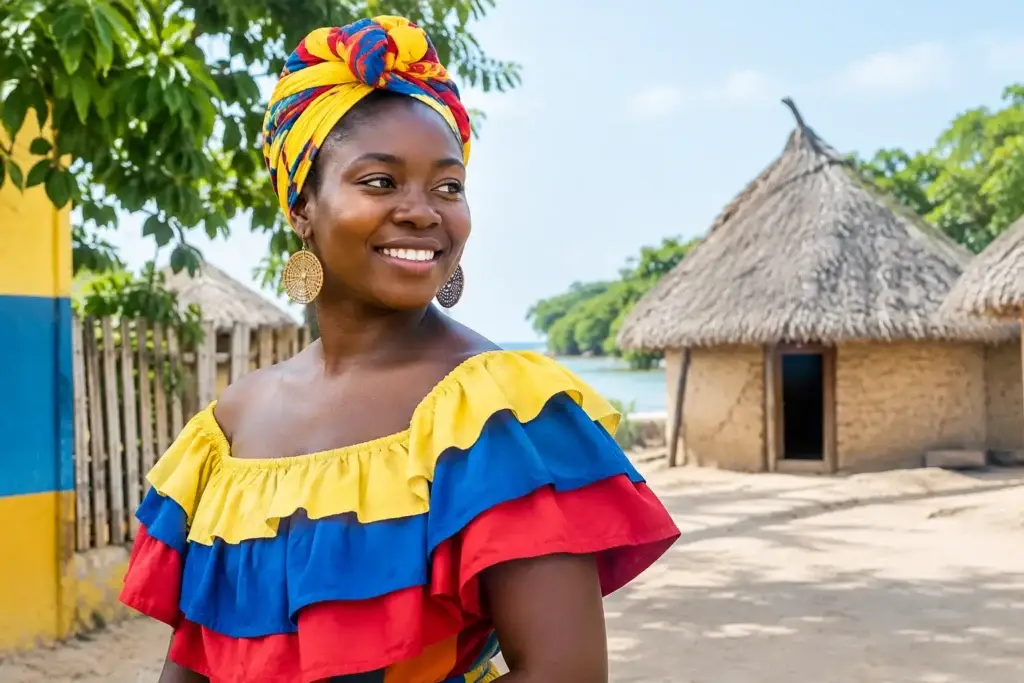
A visit to San Basilio Palenque is not a side trip for checking off another landmark. It is an invitation to listen. This San Basilio Palenque guide helps you plan a meaningful day in a living community whose language, music, food, and traditions carry a remarkable story of freedom and cultural survival.
About 30 miles southeast of Cartagena, Palenque feels worlds apart from the Caribbean coast’s beach clubs and colonial balconies. The ride is manageable as a day trip, but the experience asks for more than showing up with a camera. Come curious, unhurried, and ready to follow the lead of local hosts.
Why San Basilio Palenque matters
San Basilio de Palenque is widely recognized as the first free African town in the Americas. It was established by Africans who escaped Spanish colonial slavery, including those associated with Benkos Biohó, a leader remembered for organizing resistance and building refuge communities in the surrounding landscape.
That history is not frozen in a museum display. Palenque remains a working town where families live, children go to school, neighbors gather outside their homes, and local culture continues to evolve on its own terms. UNESCO has recognized the cultural space of Palenque for its exceptional heritage, including oral traditions, music, social practices, and Palenquero, a Creole language with African roots.
For travelers, that distinction matters. You are not visiting a recreated village or a theme park. A good visit supports local guides, artists, cooks, and families while giving you context that is hard to find from Cartagena’s historic center alone.
What a Palenque day trip usually includes
Most organized visits leave Cartagena in the morning and take roughly 1.5 to 2 hours each way, depending on traffic and your departure point. Private transportation makes the day more comfortable, especially for couples, families, and small groups who want time to ask questions and set their own pace.
Once in town, a local guide may introduce the history of the palenqueros, point out key landmarks, and share how the community preserved customs through generations. Many visits include the statue of Benkos Biohó, public spaces where people gather, and stops that create room for real conversation rather than a rushed photo circuit.
The best itineraries build in cultural encounters, but details vary by host and day. You might hear live drumming, learn about traditional dance, visit a home kitchen, meet local craftspeople, or taste a homemade meal. Coconut rice, stewed meats, fried plantains, and fresh fruit often appear, though menus should never be assumed. Let your host explain what is being served and why it matters.
Music is central to Palenque’s identity. Rhythms and forms such as bullerengue and son palenquero reflect African, Caribbean, and Colombian influences that have traveled far beyond the town. Palenque also has an outsized legacy in boxing and popular music. A knowledgeable local guide can connect those big cultural contributions to the people and places behind them.
Do not expect a scripted performance
Some travelers arrive expecting every moment to be staged. That approach misses the point. A cultural presentation may be part of your visit, and it can be joyful, powerful, and worth supporting. Still, Palenque is a community, not a set.
The most memorable moments are often simple: hearing Palenquero spoken in conversation, learning why a dish is prepared a certain way, or listening as a guide describes the family histories that textbooks leave out. Go with interest, not entitlement.
How to choose the right San Basilio Palenque guide
A guide can make the difference between a quick drive-by and a visit with genuine depth. Look for an experience that clearly includes a local Palenque guide or a direct community connection. Ask who leads the cultural portion of the day, whether meals and activities are locally sourced, and how much time you will actually spend in town.
Shared tours can be a good fit if you are traveling solo, keeping an eye on your budget, or happy to follow a set schedule. They are social and straightforward, but the pace is less flexible. A private experience costs more, yet it gives your group more room for questions, dietary needs, photography preferences, and a slower visit if the conversation is flowing.
Be careful with tours that promise a long list of attractions in a few hours. The journey from Cartagena takes time, and trying to combine Palenque with several unrelated stops can turn an important cultural visit into a rushed detour. If Palenque is the reason you booked, give it the space it deserves.
Cartagena Adventures can help arrange a locally guided private outing for travelers who want transportation, clear planning, and a more personal pace. The goal should be simple: make the logistics easy without making the encounter feel packaged.
Respectful travel guidelines that actually matter
Palenque is welcoming, but respectful behavior is not optional. Ask before photographing people, homes, musicians, children, or private moments. A smile and a gesture toward your phone are better than assuming permission, even in public spaces.
If someone is selling fruit, art, food, or handmade goods, remember that the purchase is part of their livelihood. Bargaining aggressively over a small amount may feel normal in some travel settings, but it lands differently in a community visit built on mutual respect. Buy what you genuinely like, ask about the maker or ingredients, and pay fairly.
Avoid treating sacred or sensitive traditions as entertainment. Lumbalú, for example, is a funerary tradition with deep spiritual meaning. Your guide may discuss it, but it is not a spectacle to request or reenact. The same rule applies if the town is observing a family event, memorial, or religious occasion during your visit.
A few other habits go a long way:
- Dress for heat and walking, while keeping your outfit appropriate for a residential community.
- Carry water, sunscreen, cash in small Colombian peso bills, and any medication you may need.
- Practice basic Spanish if you can, but do not worry about being fluent. Warmth, patience, and attention communicate plenty.
- Follow your local guide’s instructions on where to walk, when to take photos, and which topics require extra sensitivity.
When to go and what to wear
Morning departures are usually the smartest choice. Cartagena’s heat builds quickly, and an early start leaves more energy for the ride, walking, conversation, and lunch. Expect hot, humid conditions most of the year. Lightweight clothing, comfortable closed-toe shoes or supportive sandals, sun protection, and a reusable water bottle are practical choices.
Rain can arrive suddenly, particularly in wetter months, so a light rain layer is useful. There is no need to dress up, but avoid beachwear. You are visiting a town, not heading to a pool or island party.
If your group includes children, Palenque can be an excellent cultural day out when the schedule is realistic. Younger travelers tend to engage most when visits include music, food, or a hands-on activity. Long historical explanations in midday heat can be challenging, so tell your organizer the ages in advance and ask for a family-friendly pace.
Questions travelers often ask
Is Palenque safe to visit?
With a reputable organizer, local guidance, and normal travel awareness, Palenque is a well-established cultural day trip from Cartagena. The bigger practical issue is planning reliable transportation and allowing enough time for the drive. Do not set out independently without understanding the route, language considerations, and arrangements for your return.
Can I visit independently?
It is possible, but it is rarely the best choice for first-time visitors. You may save money on transportation, yet you can miss the context that makes the place meaningful. A local guide also helps you navigate etiquette and directs your spending toward appropriate community businesses.
How much time should I allow?
Plan on a full day from Cartagena. Even if your time in Palenque is only several hours, the round-trip drive, pickup, lunch, and pauses along the way add up. Trying to squeeze it between a morning city tour and an evening boat party usually leaves everyone rushed.
Palenque rewards travelers who arrive ready to learn rather than consume. Leave room in your itinerary for that kind of day. You may return to Cartagena with fewer staged photos than expected, but with a far clearer sense of the Caribbean stories, voices, and resilience that shape this region.