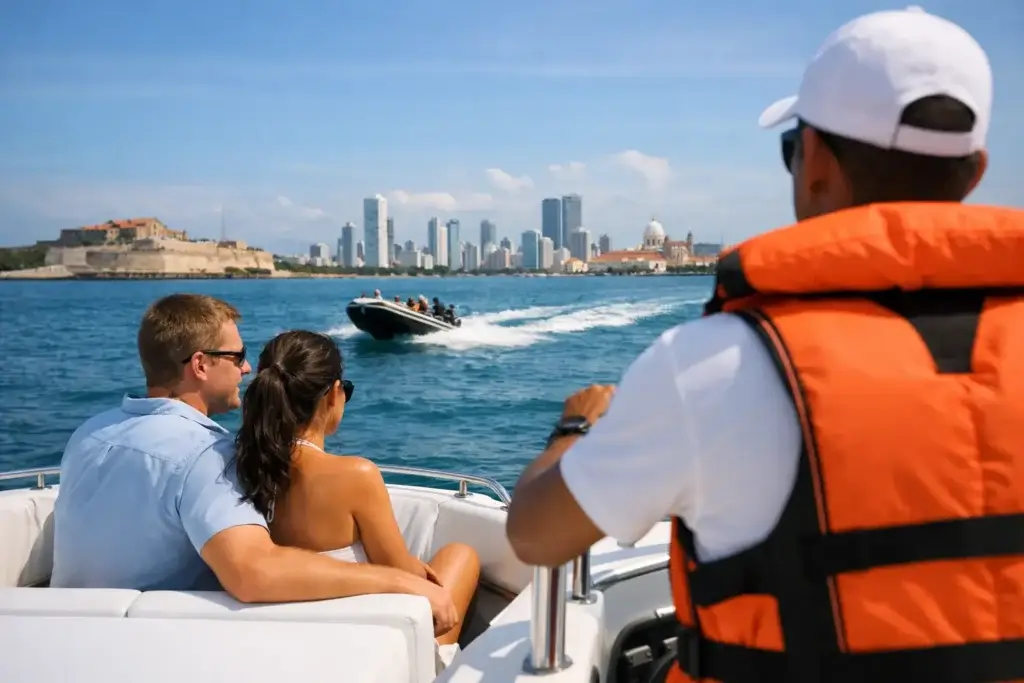
A calm Caribbean morning can make the Rosario Islands look close enough to touch. Then the wind picks up, the open-water crossing gets choppy, and travelers who booked the cheapest seat on the first boat they found realize that an island day is not just about the beach. Are Cartagena boat tours safe? Yes, they can be very safe when you choose a professional operator, respect sea conditions, and book the trip that actually fits your group.
Cartagena’s boat tours range from relaxed shared beach transfers to private yachts, snorkeling trips, party boats, and full-day island-hopping experiences. That variety is part of the fun, but it also means safety standards, boat sizes, routes, and onboard support can differ. A little local know-how goes a long way toward making your day feel exciting for the right reasons.
Are Cartagena Boat Tours Safe for Visitors?
For most visitors, a well-run Cartagena boat tour is a safe and memorable way to experience the islands. Reputable operators use licensed captains who know the routes, provide life jackets, monitor marine conditions, and make practical decisions when the weather changes. They also communicate where you are going, how long crossings take, and what is included before you leave the dock.
The bigger question is not whether boats are inherently unsafe. It is whether the specific tour has been organized responsibly. Cartagena Bay is generally protected and calm, while the ride beyond the bay toward the Rosario Islands can be bumpier, particularly on windy afternoons. Conditions may be manageable for experienced boaters and uncomfortable for guests prone to motion sickness, young children, or anyone recovering from an injury.
A quality operator will not promise glassy water every day. Instead, they will explain the likely conditions, adjust the itinerary when needed, and put guest safety ahead of squeezing in one more stop.
What Makes a Boat Tour Safer
The best safety sign is often the way a company communicates before the trip. Clear pickup instructions, realistic departure times, a named marina or meeting point, and direct answers about the boat and route are all good indicators. Vague promises, rushed sales pressure, or reluctance to discuss weather should make you pause.
A Licensed Captain and a Properly Equipped Boat
Every boat should have a qualified captain familiar with local navigation, traffic patterns, changing conditions, and safe docking procedures. The crew should know the passenger capacity and follow it. An overloaded speedboat may look like a bargain, but it can mean less room to sit securely, fewer life jackets within reach, and a rougher ride for everyone.
Before departure, look for accessible life jackets in suitable sizes, basic emergency equipment, and an organized boarding process. You may not need a lengthy safety lecture for a short scenic transfer, but crew members should be able to point out life jackets and explain how to move around the boat safely.
Private boats can offer more space and flexibility, especially for families, couples, and friend groups. Still, private does not automatically mean safer. The captain, vessel condition, passenger count, and weather plan matter more than whether the boat is shared or exclusive.
Weather Awareness, Not Wishful Thinking
Caribbean weather can change quickly. Bright sunshine at breakfast does not guarantee a smooth afternoon return, especially during windier periods of the year. Rain alone is not always the main concern. Wind, wave height, visibility, and electrical storms are more relevant to boating decisions.
Professional crews check conditions before leaving and stay alert throughout the day. If an operator delays departure, changes a route, skips an exposed beach, or recommends returning earlier than planned, that is usually a sign of good judgment. The perfect itinerary on paper is never more valuable than a comfortable, responsible ride home.
Ask what happens if weather makes the planned route unsuitable. A straightforward cancellation, rescheduling, or alternate itinerary policy is far more reassuring than a company that acts as if the sea is always predictable.
The Right Pace for the Group
Not every traveler wants the same boat day. A high-energy party boat with music, drinks, multiple stops, and a fast pace can be great for a celebratory group. It may not be the best fit for travelers bringing toddlers, grandparents, or anyone who wants quiet time on the water.
Be honest about your group’s needs. If someone has limited mobility, is pregnant, gets severe motion sickness, cannot swim, or is traveling with small children, mention it before booking. A knowledgeable local team can recommend a larger, more stable boat, a shorter crossing, a calmer route, or a private charter that allows more control over the schedule.
At Cartagena Adventures, the goal is not simply to get guests onto a boat. It is to match the experience to how they want to spend the day, whether that means snorkeling over coral, relaxing at a beach club, or cruising with friends at sunset.
Smart Choices Before You Book
Start by asking where the tour goes and how long the open-water portion lasts. “Island tour” can mean very different things. Some trips focus on one beach destination with a direct transfer, while others include several islands, swimming stops, and longer periods underway. More stops are not always better if your group would prefer a slower, more relaxed day.
Confirm whether the listed price includes port fees, lunch, drinks, snorkeling gear, and transportation to the marina. This is not only about avoiding surprises. When an offer seems dramatically cheaper than comparable tours, find out what has been left out and whether the boat, crew, or itinerary has been compromised to reach that price.
Reviews can be useful, but read them with context. Look beyond a high star rating for comments about punctuality, crew professionalism, condition of the boat, communication, and how the company handled weather or changes. One complaint about waves does not necessarily mean a tour is unsafe. No captain can flatten the Caribbean. Repeated concerns about overcrowding, missing safety gear, or poor communication are more meaningful.
How to Stay Safe Once You Are Onboard
Guests play a role in a safe day, too. Wear the life jacket when the crew instructs you to, especially during fast crossings or rougher conditions. Keep hands and feet inside the boat, remain seated when underway unless told otherwise, and use handrails while boarding and disembarking. Wet decks, floating docks, and jumping from boats are common places for avoidable injuries.
Bring reef-safe sunscreen, a hat, drinking water, and a dry bag for your phone, wallet, and medications. If you are prone to motion sickness, take your preferred remedy before departure rather than waiting until the boat is moving. Sitting toward the rear or center of the boat can feel steadier than sitting at the bow, where the ride is often bouncier.
Alcohol deserves a little common sense. Enjoying a cold drink is part of many Cartagena boat days, but sun, heat, dehydration, and waves can amplify its effects. Pace yourself, eat something, and save the swim for when you are alert and comfortable. Never swim away from the designated area or assume that clear water means there are no currents or boat traffic.
If you plan to snorkel, listen to the briefing even if you have done it before. Conditions vary by location. Ask where to enter and exit the water, whether there is current, and where the boat will be anchored. A good guide will make sure guests understand the plan rather than simply handing out masks and fins.
When You Should Choose a Different Plan
There are days when the smartest choice is a land-based experience, a bay cruise, or a different island itinerary. If the forecast calls for difficult conditions, if someone in your group is feeling unwell, or if you are uneasy about the boat after seeing it at the marina, speak up before departure. Trustworthy operators would rather help you find a better option than push you into a day you will not enjoy.
For travelers with severe mobility limitations or significant medical concerns, discuss the trip in advance and seek advice from a medical professional when appropriate. Island docks and shore landings can involve steps, uneven surfaces, shallow water, or a short walk through sand. The experience may still be possible, but it needs the right planning.
A Better Island Day Starts With a Better Booking
The Rosario Islands are worth the ride: bright water, breezy beach lunches, colorful reefs, and the kind of open horizon that makes Cartagena feel even more unforgettable. Choose a crew that is clear about the plan, check conditions without fear of changing course, and select a boat day that suits your people. That is how a Caribbean adventure stays fun, comfortable, and full of the moments you came for.