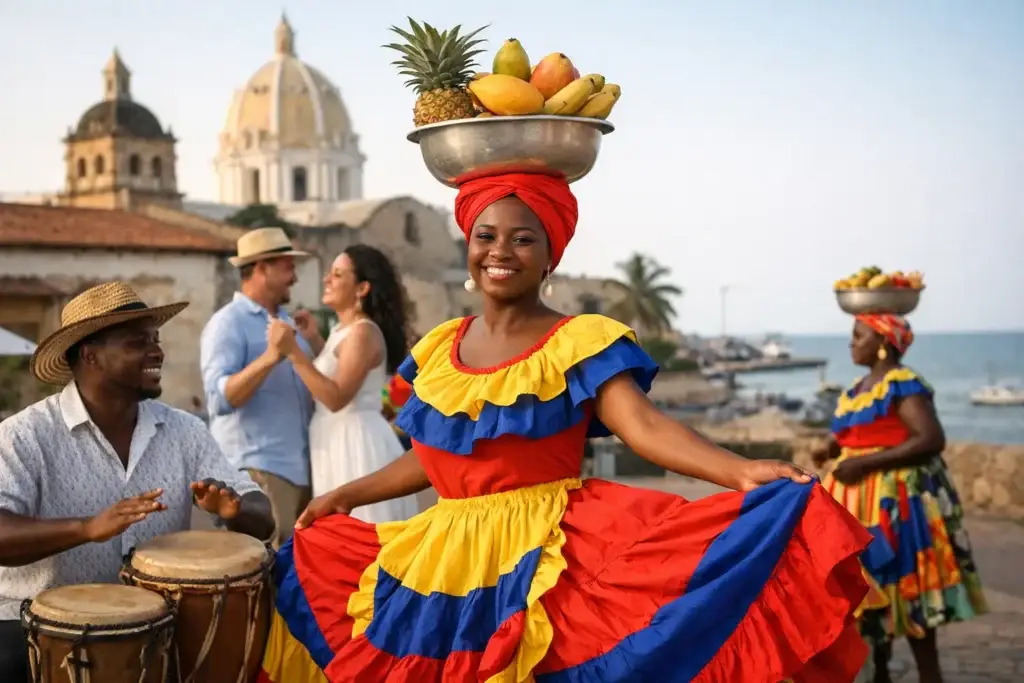
The first thing you may hear at a neighborhood gathering is not a tour-guide script. It is a drum pattern, a call-and-response lyric, a vendor greeting regulars by name, or a conversation that shifts easily between Spanish and local expressions. If you are wondering how to experience Afro Colombian culture, start there: not by collecting quick photo stops, but by making time for the people, places, and stories behind Cartagena’s most recognizable rhythms, flavors, and traditions.
Afro Colombian culture is not one fixed experience. Colombia’s Black communities have distinct histories across the Caribbean coast, the Pacific region, the islands, and cities such as Cartagena. In and around Cartagena, the cultural roots of African-descended communities are woven into daily life through music, dance, food, language, faith, family, and a long tradition of resistance. The most rewarding visits feel participatory, respectful, and guided by people with a real connection to the places you enter.
Begin With the History Behind the Celebration
Cartagena’s colorful streets carry stories that go far beyond their postcard appeal. During the colonial period, the city was a major port in the transatlantic slave trade. Thousands of enslaved Africans arrived here, and their descendants helped shape the Caribbean culture travelers come to admire today. That history includes violence and exploitation, but it also includes survival, self-determination, and extraordinary cultural creation.
A thoughtful heritage experience should make room for both sides. Ask your guide whose perspective is being centered, what a site meant to local communities, and how traditions have changed over time. You do not need to arrive as an expert. Curiosity, attention, and the willingness to listen will take you much further than trying to treat history as a checklist.
One essential destination is San Basilio de Palenque, a community outside Cartagena founded by people who escaped enslavement. It is widely recognized for preserving deeply rooted cultural practices, including Palenquero, a Spanish-based Creole language. A visit can offer meaningful context for the music, food, hairstyles, and entrepreneurial traditions you may encounter in Cartagena.
Visit Palenque With a Community-Led Lens
Palenque is not a living museum, and it should not be approached as one. Residents live, work, raise families, and protect traditions there. Choose an experience led by a knowledgeable local guide or community host, and allow enough time for conversation rather than rushing through a few staged moments.
You may learn about oral history, traditional medicine, percussion, boxing, food, and the community’s role in Colombia’s Black identity. What is available varies by day and by host. That is part of the point: genuine cultural exchange does not always run on a rigid tourist timetable.
Dress comfortably, bring water, and ask before taking photos or recording performances. If you purchase food, crafts, or a workshop directly from a local provider, you are helping keep spending closer to the community. Bargaining aggressively over a small handmade item may save very little while sending the wrong message.
Follow the Drums, Then Learn What You Are Hearing
Music is often the most immediate entry point into Afro Colombian culture. In Cartagena, you may hear champeta spilling out of a neighborhood sound system, the hand drums of cumbia and bullerengue, or live Caribbean-influenced sets at a small venue. These sounds are joyful, physical, and impossible to separate from the social spaces where they developed.
Champeta deserves special attention. Born from Afro-Caribbean influences and shaped in Cartagena’s working-class neighborhoods, it is both a musical style and a dance culture. Its sound has traveled far beyond the city, but the local scene remains central to understanding it. A good night out is not just about hearing a famous song. It is about noticing how dancers respond to the beat, how DJs build energy, and how the room becomes a shared event.
If you take a dance class, choose one that explains the movement instead of treating it as a novelty. You do not need perfect coordination. Show up ready to laugh, move, and follow instruction. The best teachers make beginners feel welcome while honoring the roots of the dance.
Getsemaní is often a convenient place to find music, murals, and lively evening energy, but it is also a neighborhood where tourism has changed the rhythm of local life. Enjoy the scene, then go beyond the busiest corners. A locally guided cultural outing can help you find venues and stories that are more meaningful than simply following the loudest crowd.
Eat Where the Story Is on the Plate
Cartagena’s food tells a Caribbean and African story in every direction. Coconut rice, fried fish, plantains, cassava, corn preparations, soups, sweets, and fruit all reflect ingredients and cooking traditions shaped by generations of Afro Colombian families. A food experience becomes richer when you ask who made it and how it is traditionally served.
Try a plate of fried fish with coconut rice and patacones near the coast, or look for warm arepas de huevo, carimañolas, empanadas, and local sweets such as cocadas. Street food can be a wonderful part of the experience, especially at busy stalls with steady turnover. As with any destination, use common sense about heat, hygiene, and your own dietary needs.
Palenquera women in bright dresses are among Cartagena’s most photographed figures, often selling fruit in the historic center. Their clothing connects to Palenque’s cultural identity, but they are working entrepreneurs, not props. If you want a portrait, ask first. Buy fruit, agree on a price before the photo, and respect a no. That small interaction says a lot about the kind of traveler you choose to be.
Let Local People Shape Your Itinerary
The easiest way to have a deeper experience is to build your day around people with firsthand knowledge. A guide from the community can explain details that a general city tour may miss: why a rhythm matters, how a family recipe changed, what a mural references, or why certain celebrations carry emotional weight.
Private experiences are especially useful for couples, families, and small groups who want time to ask questions and move at their own pace. Shared outings can be lively and affordable, but they often have a tighter schedule. Neither option is automatically better. It depends on whether you want social energy, flexibility, or a more personal conversation.
When booking, look for clear information about the host, transportation, meeting points, what is included, and how the experience benefits local providers. Cartagena Adventures can help visitors organize cultural experiences around Cartagena with the practical details handled, leaving more room to be present once you arrive.
Practice Respect Beyond the Tour
Respect is not a polished speech or a perfect vocabulary test. It is a set of practical choices. Learn a few Spanish phrases. Be patient when plans run on local time. Ask permission before photographing people, homes, religious spaces, or performances. Avoid reducing a complex culture to a costume, a dance move, or a plate of food.
It also means recognizing that Afro Colombian culture is contemporary. Black Cartageneros are artists, chefs, guides, business owners, students, musicians, activists, and professionals shaping the city right now. Seek out present-day voices alongside historical sites. Listen when people describe the pressures of tourism, rising costs, or neighborhood change, even if those conversations complicate the vacation mood.
Make Space for the Unplanned Moment
Some of the strongest cultural memories are not the ones printed on an itinerary. They might be a percussion lesson that runs long because the stories are flowing, a conversation with a cook about her grandmother’s recipe, or a late-night dance floor where you finally stop worrying about getting the steps right.
Plan enough to travel safely and support trusted local hosts, then leave room for surprise. Come with curiosity, spend thoughtfully, and let Cartagena’s Afro Colombian culture be encountered as a living part of the city rather than a performance made for visitors. That is when the music, flavor, and history stay with you long after the trip ends.