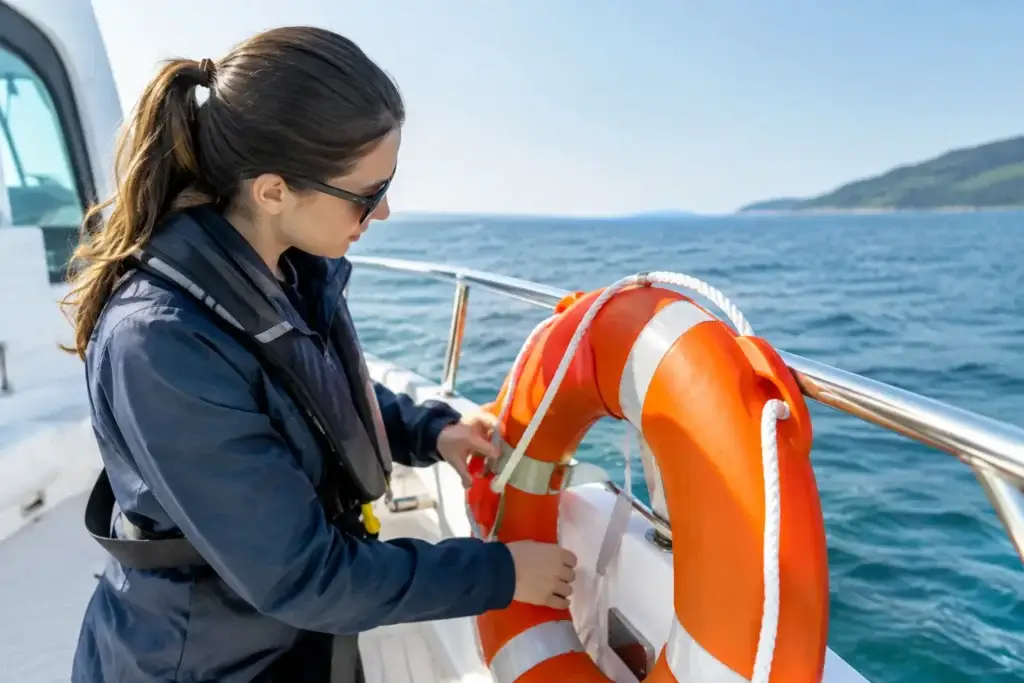
The best boat days around Cartagena start long before the first playlist comes on or the first swim stop appears on the horizon. Boat charter safety is what gives your group the freedom to enjoy the Rosario Islands, Cholon, or a quiet stretch of Caribbean water without second-guessing every bump, cloud, or change of plan.
A private boat can be one of the most memorable ways to experience the coast. It can also feel unfamiliar if you do not spend much time on the water. The goal is not to turn a birthday trip, beach day, or friends’ getaway into a stressful checklist. It is to know the few decisions that make a real difference: choosing the right operator, listening to the crew, reading the conditions, and preparing for the day you actually want to have.
Boat Charter Safety Begins With the Right Operator
The lowest advertised price is not always the best value on the water. A legitimate charter should be clear about what is included, who will operate the boat, where you are going, and what happens if weather conditions make the planned route unsuitable. Ask direct questions before booking. A professional team will answer them clearly rather than treating safety questions as an inconvenience.
Confirm that the boat comes with a qualified captain and crew appropriate for the size of the vessel and your itinerary. You should also know the planned departure point, expected return time, passenger capacity, and whether fuel, docking fees, ice, towels, snorkeling equipment, or island entry fees are included. Clear details prevent rushed decisions at the dock.
Do not book a boat that feels overcrowded for your group. Capacity is a legal and practical limit, not a suggestion. More people means more bags, more movement, more time getting in and out of the water, and less room to sit securely while underway. If your group wants to dance, bring coolers, or spend time at beach clubs, choosing a slightly larger boat can make the day safer and far more comfortable.
For visitors who want local guidance without sorting through every detail themselves, Cartagena Adventures can help match the boat style and itinerary to the group, whether that means a relaxed island escape, a snorkeling-focused day, or a social stop at Cholon.
Check the Weather, but Respect the Captain’s Call
Caribbean mornings can look perfect and still develop wind, chop, or rain later in the day. Weather affects more than whether you will get sun in your photos. It can change how rough the ride feels, which beaches are comfortable for swimming, and whether a captain recommends adjusting the route or returning earlier.
Look at the forecast before departure, but do not rely on an app alone. Your captain is watching local conditions in real time, including sea state, wind direction, and traffic around the islands. If the crew changes the order of stops, avoids an exposed area, or asks everyone to head back before the weather shifts, that is good judgment, not a ruined plan.
This matters especially if anyone in your group gets motion sickness. A route that sounds exciting on paper may involve a longer open-water crossing. Let the operator know ahead of time. They can often suggest a more protected itinerary, a suitable departure time, or practical ways to make the ride easier. Motion sickness medication works best when taken according to its instructions before symptoms begin, so plan ahead and speak with a medical professional if you have questions.
Know What Is on Board Before Leaving the Dock
You do not need to inspect a boat like a marine surveyor. Still, a quick safety orientation should be part of every charter. Before the engine starts, ask where life jackets are kept and make sure there are enough for everyone aboard, including properly sized options for children. Know who the captain and crew members are, and listen when they explain where to sit during faster crossings.
A well-prepared vessel should carry the necessary emergency and communication equipment for its operating area. You do not need a technical demonstration, but it is reasonable to ask about the first-aid kit, radio or communication method, and the plan if someone needs help. On a private charter, you should also be told the safest way to use the swim ladder and when it is safe to enter the water.
Keep pathways clear. Bags, sandals, bottles, and loose phone chargers can become hazards when the boat hits a wake. Store belongings where the crew directs, keep glass to a minimum, and avoid standing or moving around while the boat is accelerating, turning, or crossing choppy water. A calm, seated ride is not less fun. It gets everyone to the next stop ready to enjoy it.
Smart Boat Charter Safety in the Water
The moment the anchor drops, people tend to focus on the turquoise water and forget that the sea is still moving. Only swim after the captain or crew gives the go-ahead. They know where the propellers, anchor line, current, nearby traffic, and shallow areas are. Never jump in while engines are running, and never swim behind the boat unless the crew specifically says it is safe.
Use the swim ladder rather than climbing over equipment or trying to pull yourself onto the platform from an awkward angle. If you are snorkeling, use fins only where the crew recommends, stay within the agreed swim area, and keep an eye on your buddy. Strong swimmers can still become tired after a long afternoon in the sun, especially after drinks.
Children and weaker swimmers need closer supervision than many groups expect. A life jacket is not a sign that someone cannot swim. It is a smart extra layer of protection, particularly around boats, docks, and deeper water. If your group includes children, tell the operator before booking so the crew can prepare the right equipment and recommend an itinerary with suitable swim stops.
Respect coral and marine life, too. Do not stand on coral, chase wildlife, or toss food into the water. Reefs are living systems, and a little care keeps the experience beautiful for the next group that comes through.
Alcohol, Sun, and Group Decisions
Celebratory boat days and cold drinks often go together, but alcohol changes the equation on the water. It can affect balance, judgment, hydration, and your ability to notice fatigue or roughening conditions. Enjoy your day, but pace yourself, drink water regularly, and avoid mixing heavy drinking with swimming, jumping from the boat, or moving around while underway.
Sun exposure is another issue that catches travelers off guard. The reflection off the water can make a sunny Caribbean day feel more intense than expected. Bring reef-conscious sunscreen, a hat, sunglasses with a secure strap, and a light cover-up for the ride. Apply sunscreen before departure and reapply after swimming. Heat exhaustion can look like simple fatigue at first, so tell the crew quickly if someone feels dizzy, nauseated, confused, or unusually weak.
Groups also need one simple agreement: the captain’s instructions are final. Your captain may refuse an unsafe jump, change a stop, limit swimming time, or ask someone to sit down. That is not a debate to win after a few drinks. A good crew protects the entire group, including the guests who may not realize a situation is becoming risky.
Pack for a Safer, Easier Day
A little preparation keeps everyone more comfortable once land is out of sight. Bring a photo of your ID if requested by the operator, any essential medication, and a fully charged phone in a waterproof pouch. Keep valuables light and secure. Most guests need less than they think: swimwear, dry clothes, sun protection, water, and a small towel are usually enough.
If you have allergies, a medical condition, limited mobility, are pregnant, or have concerns about swimming, share that information before the trip. This does not automatically mean you cannot join. It helps the operator recommend the right boat, route, boarding setup, and activity level. The same goes for dietary needs if food or drinks are part of the charter.
Most of all, leave room for flexibility. The best island days are not the ones that force every stop on a schedule. They are the ones where your group can relax because the boat is suitable, the crew is prepared, and everyone knows how to look after one another. When the captain says it is time to move, move. When the water is clear and calm, take the swim. That is how a Cartagena boat day stays memorable for all the right reasons.